
Gutter Guards vs. GutterBrush

Which Gutter Solution Is Right for You?
How GutterBrush Compares

Why GutterBrush is the Smarter Choice
-

DIY-Friendly Installation
No tools, screws, or professional help needed—just slide it in.
-

No Roof Interference
No lifting shingles or drilling, preventing roofing issues.
-

Effective Year-Round
Works in all weather conditions, including heavy rain and snow.


Installation
Gutter Guard
- Complex Installation: Most gutter guards require sliding metal panels under shingles, fastening them with screws, and cutting sections to fit corners and end caps.
- Professional Help Recommended: Installation often involves climbing onto the roof and adjusting the guard to fit various roof types, increasing labor costs and time.
- Potential Roof Damage: Lifting shingles can void roofing warranties and cause leaks.
GutterBrush
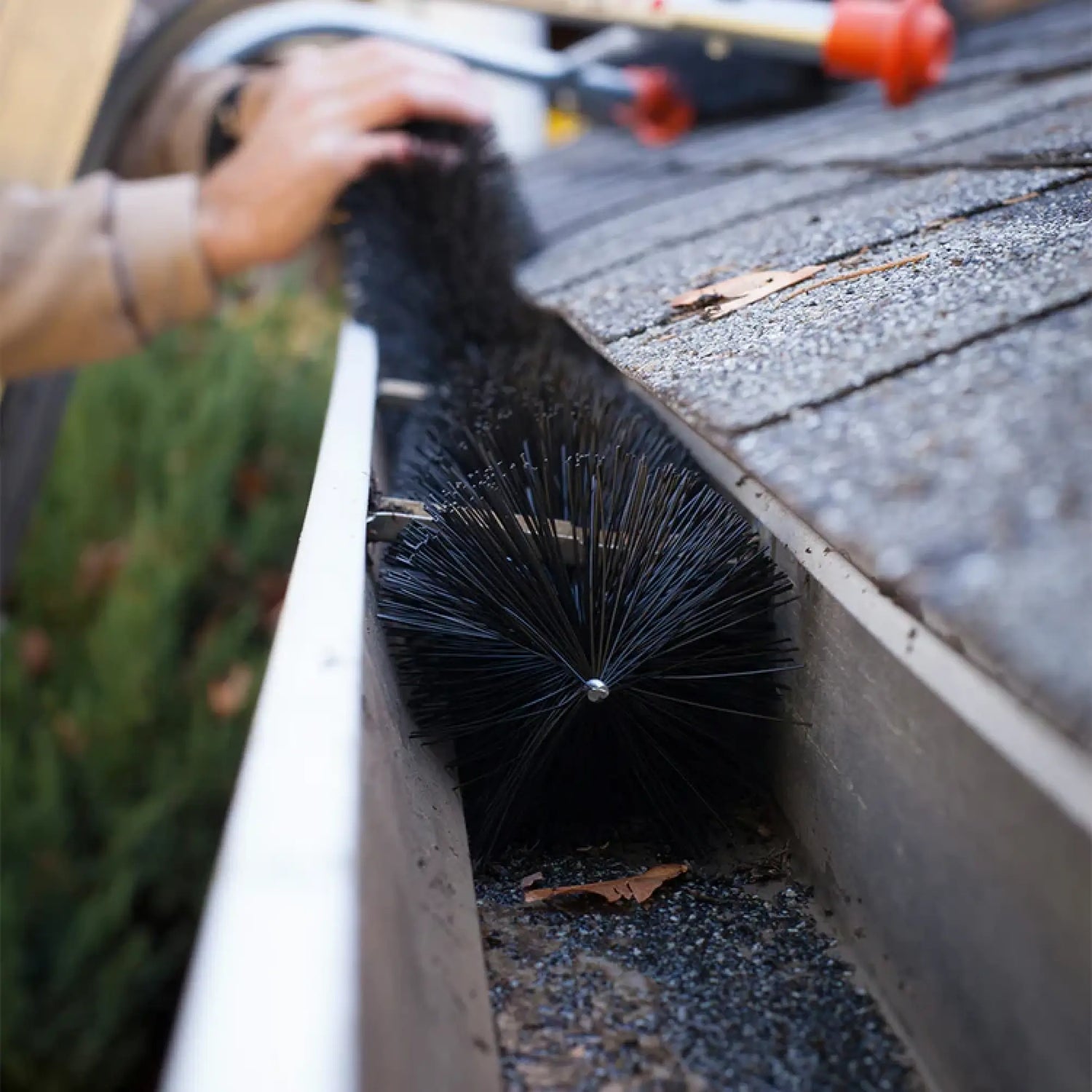
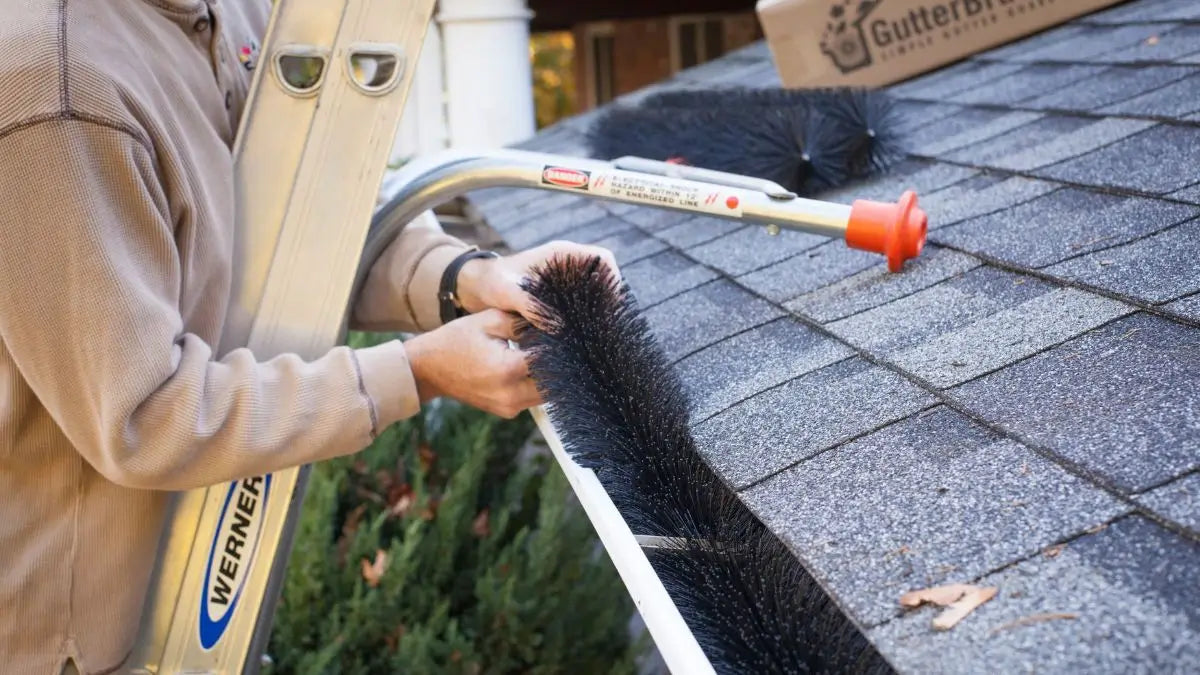
- Easy DIY Installation: GutterBrush installs in just a few minutes—simply insert the brush sections into the gutter, no tools or fastening required.
- No Roof Interference: Unlike guards, GutterBrush doesn’t attach to the roof, eliminating the risk of shingle damage or leaks.
- Quick and Flexible: Sections can be adjusted or removed easily, making it a perfect solution for any gutter shape or size.
Which One Works Best?
Performance
Gutter Guards
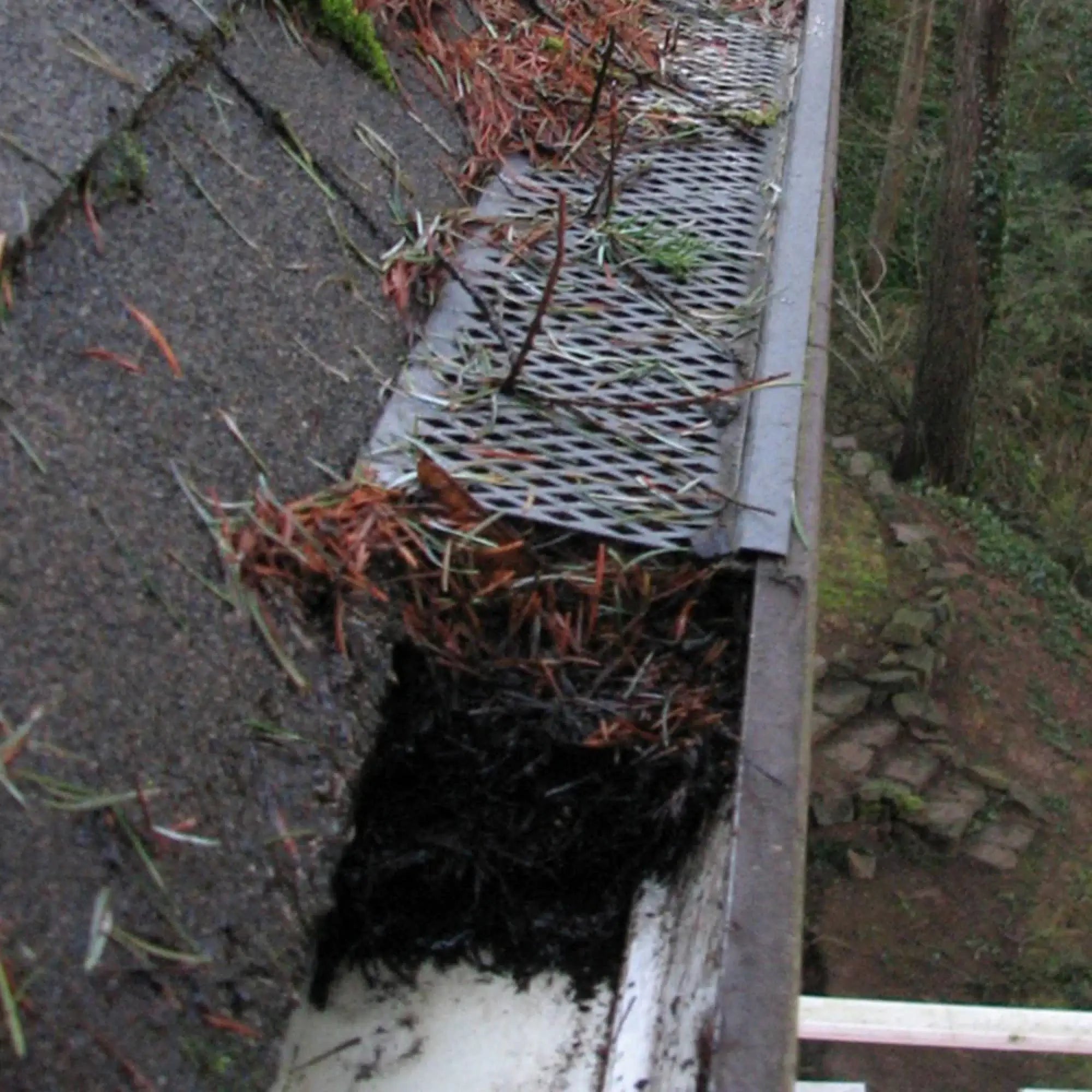
- Fine Mesh Systems: Gutter guards can block smaller debris but may also trap it on the surface, leading to restricted water flow and overflow during heavy rain.
- Hooded Guards: While they deflect larger leaves, water can spill over the edge during heavy rainfall, compromising their effectiveness.
GutterBrush
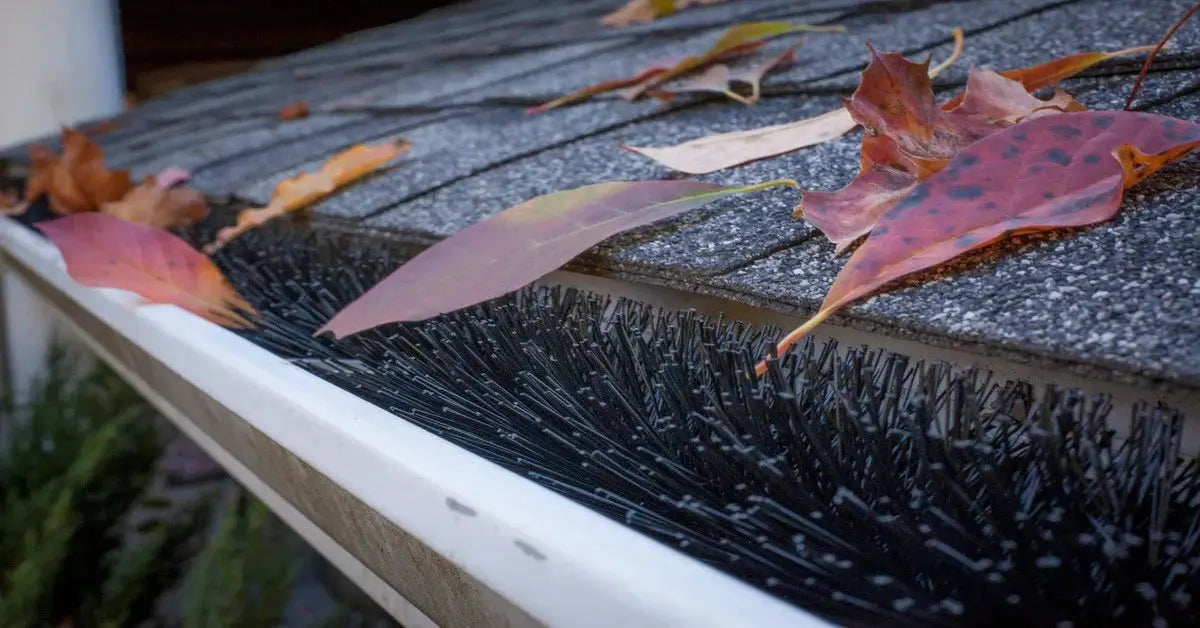
- Maximum Water Acceptance: GutterBrush excels by drawing rainwater into gutters through the bristles while blocking leaves from forming clogs.
- Effective in All Weather: It works year-round, even in snowy conditions, preventing ice dams by maintaining water flow during winter.
- Easiest Maintenance: Fast and easy to maintain without any tools or fasteners. Just remove brush sections, shake debris clear and slide them back into place.

Which Requires Less Work?
Maintenance
Gutter Guards
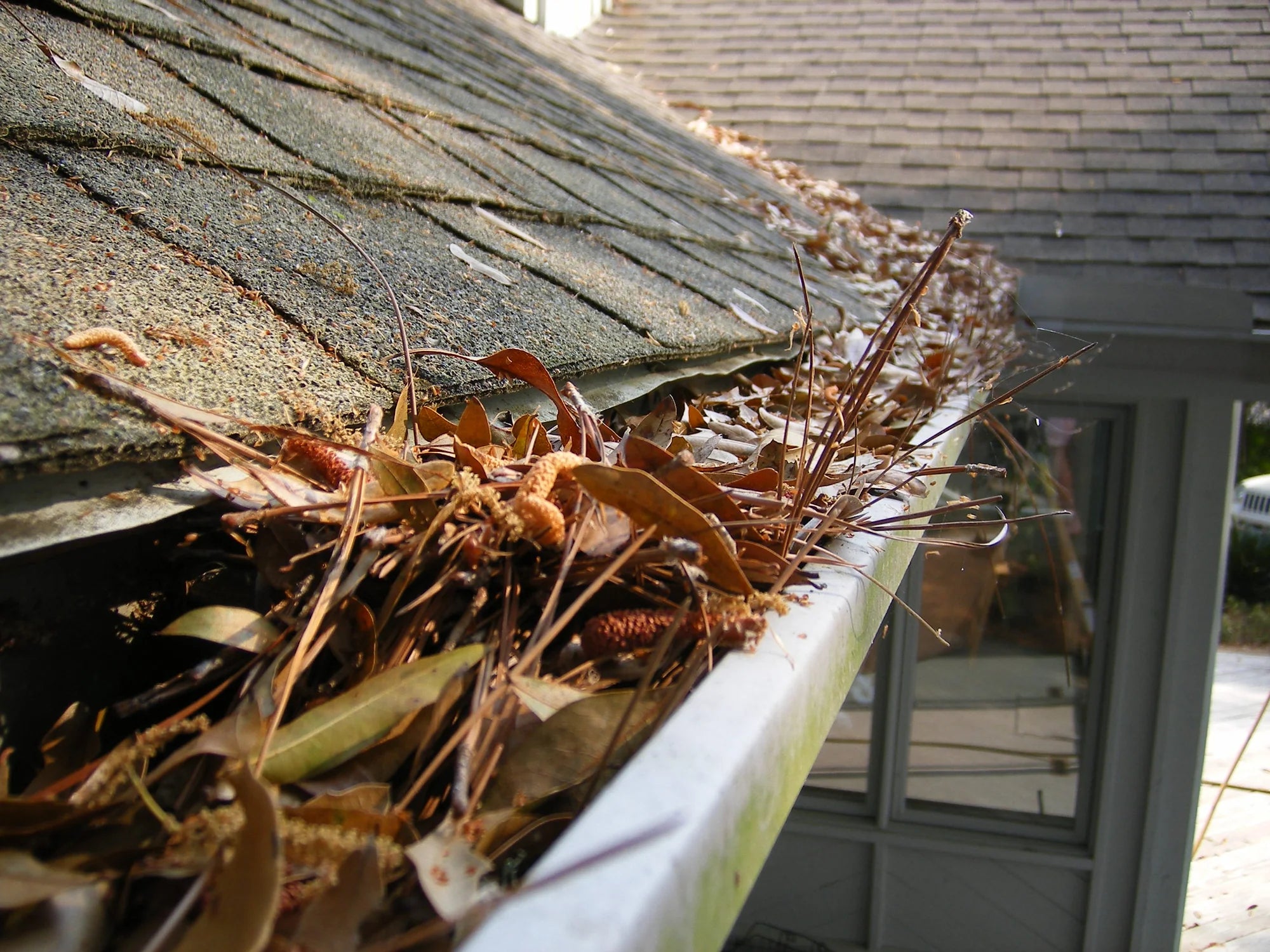
- Regular Cleaning Needed: Even with guards in place, smaller debris like pine needles can accumulate, requiring manual cleaning. Mesh guards in particular may clog easily, requiring more frequent maintenance.
- Difficult to Access: Cleaning under or around fixed guards can be cumbersome, often requiring professional help.
GutterBrush
- Minimal Maintenance: Inspect your gutters during a rainstorm to ensure water flows properly. Any debris can be quickly removed by hand if necessary.
- No Special Tools Required: Unlike traditional guards, which may need disassembly for cleaning, GutterBrush offers hassle-free maintenance.
How Much Does A Gutter Guard Cost?
Gutter Guard Costs: Traditional gutter guards can range between $15 - $35 per linear foot, with installation adding significant labor costs.
GutterBrush Cost: GutterBrush is more affordable, with costs starting around $3 to $5 per linear foot, and the ability to install it yourself means no additional labor fees.
-

Keep Out Leaves
-

Keep Out Pine Needles
-

Keep Out Twigs
-

Keep Out Birds
-

Keep Out Rodents
-

Keep Out Ice Dams


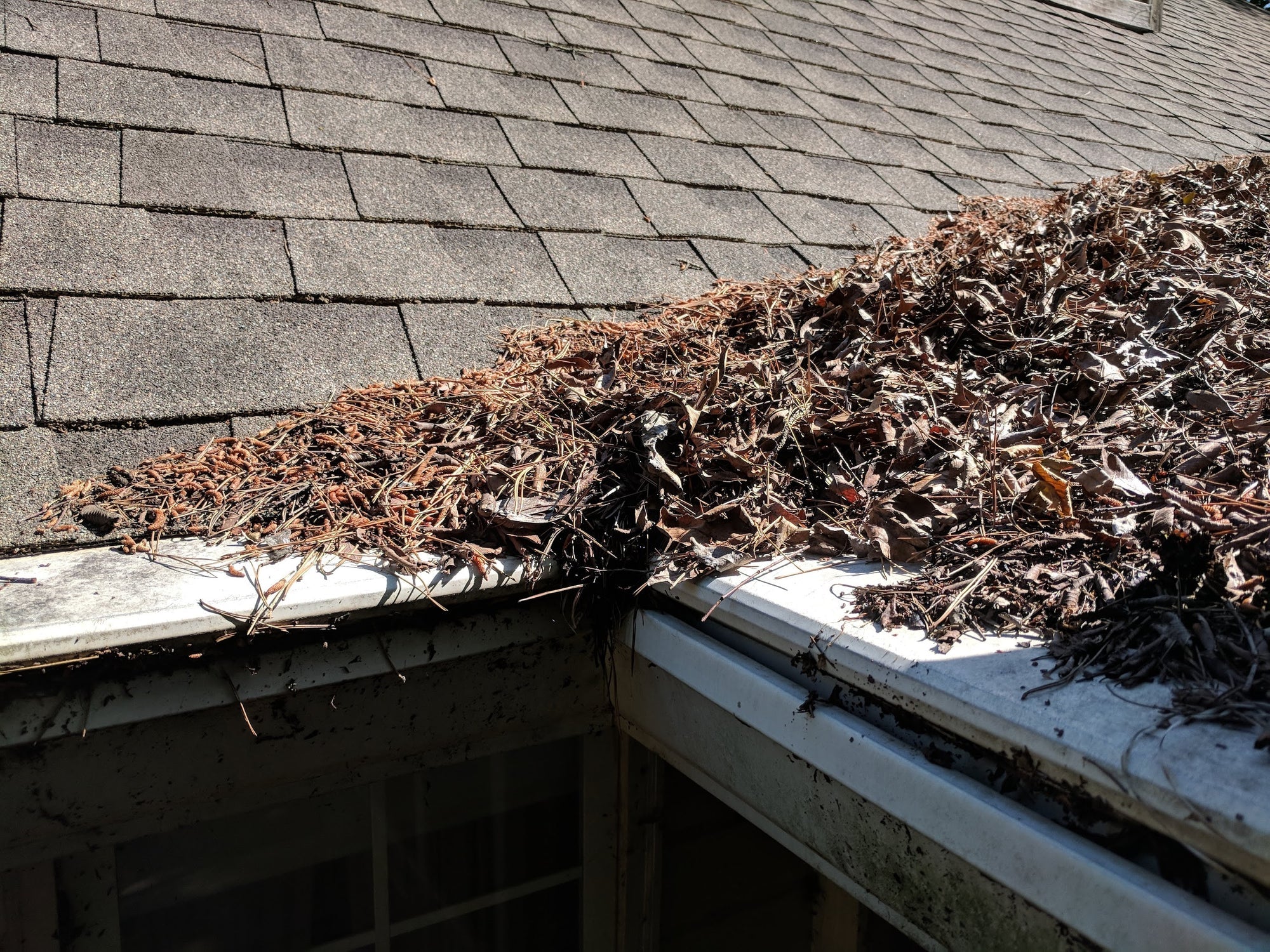
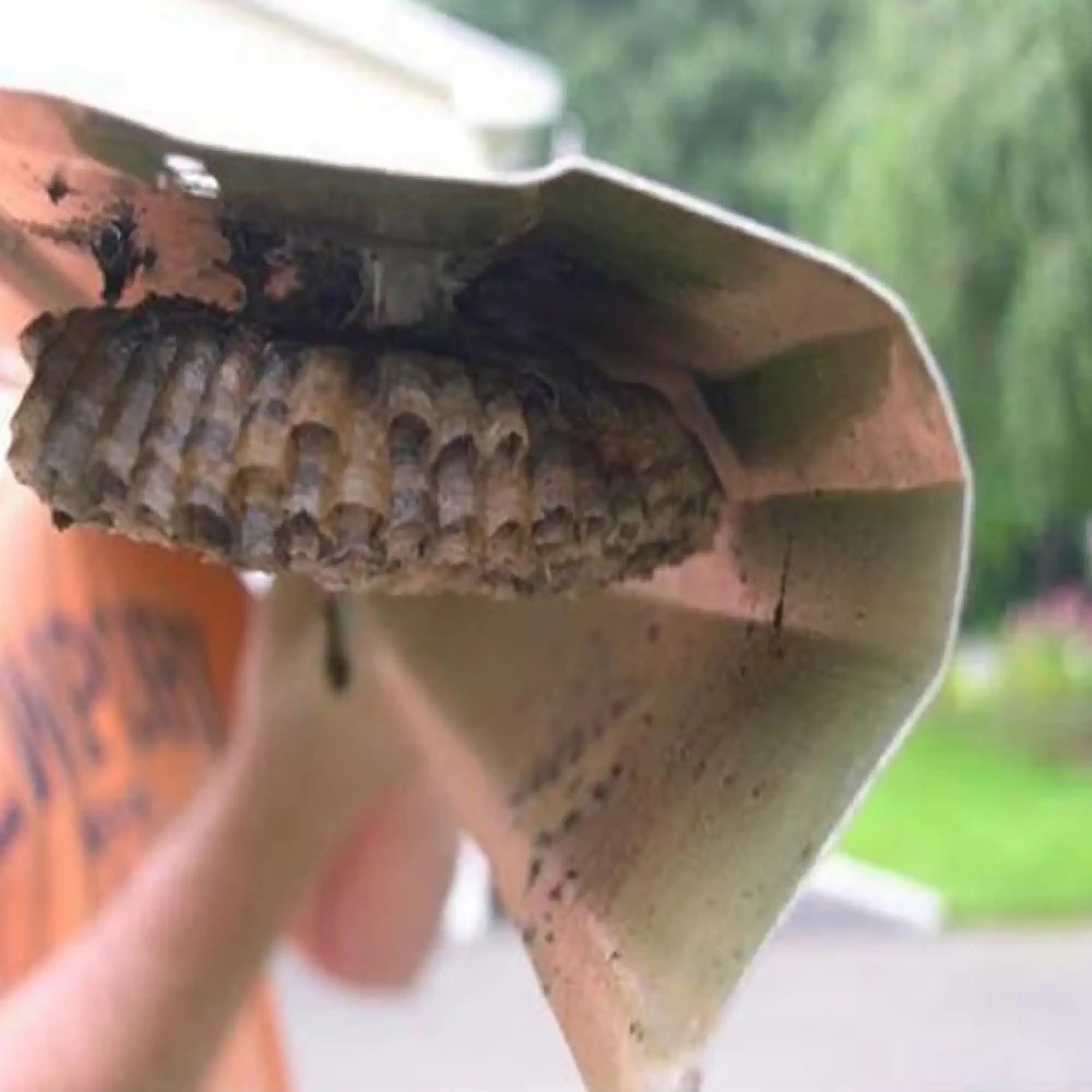
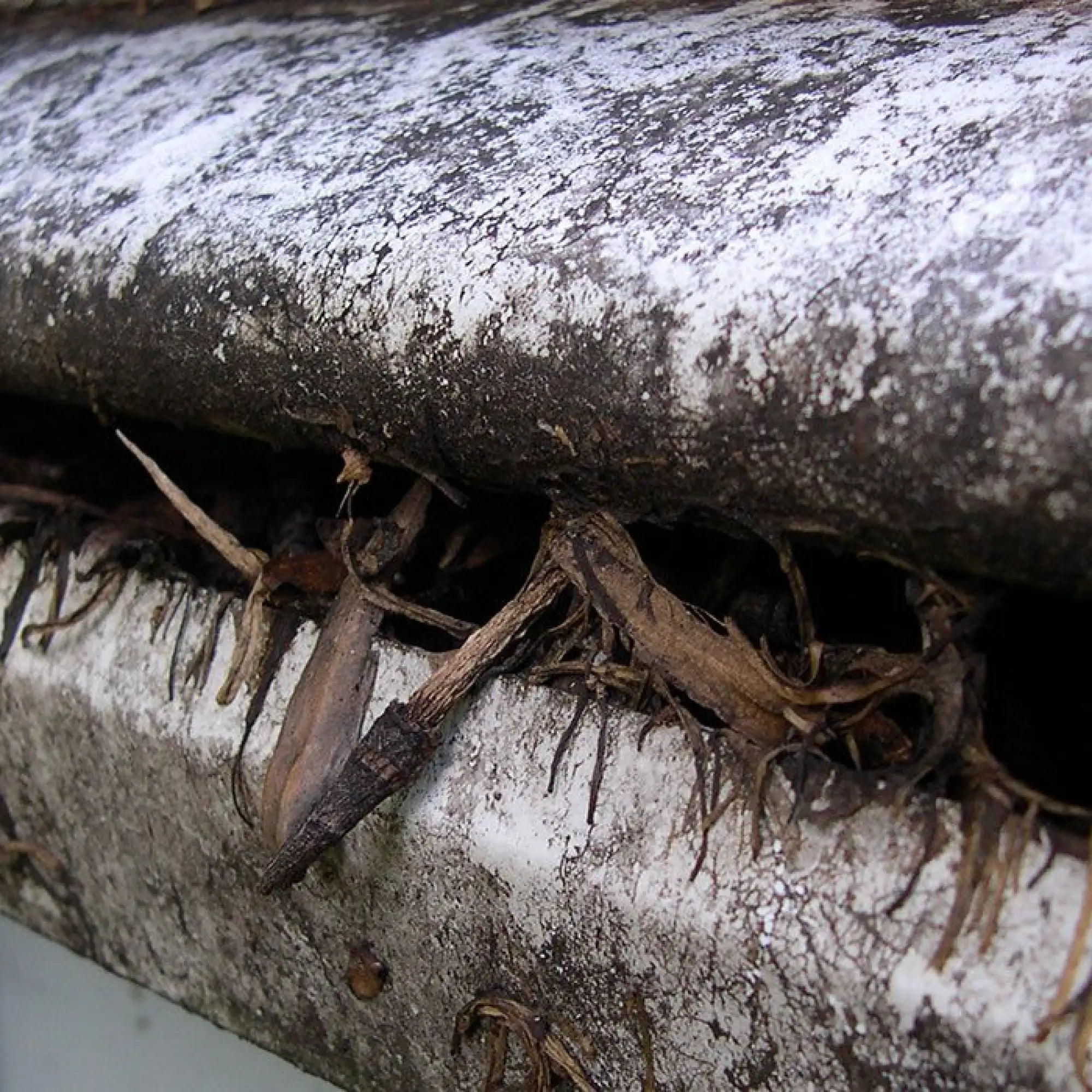
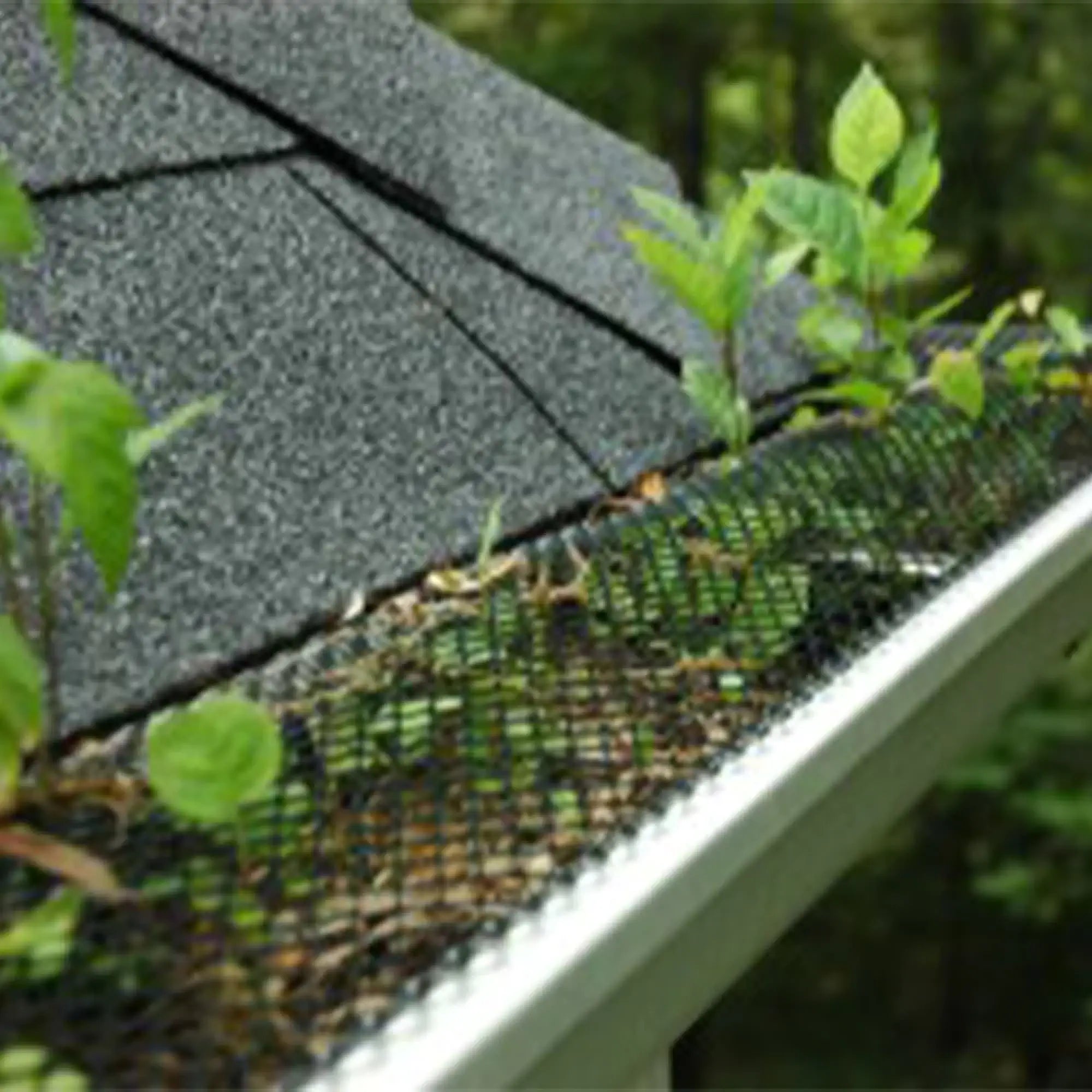
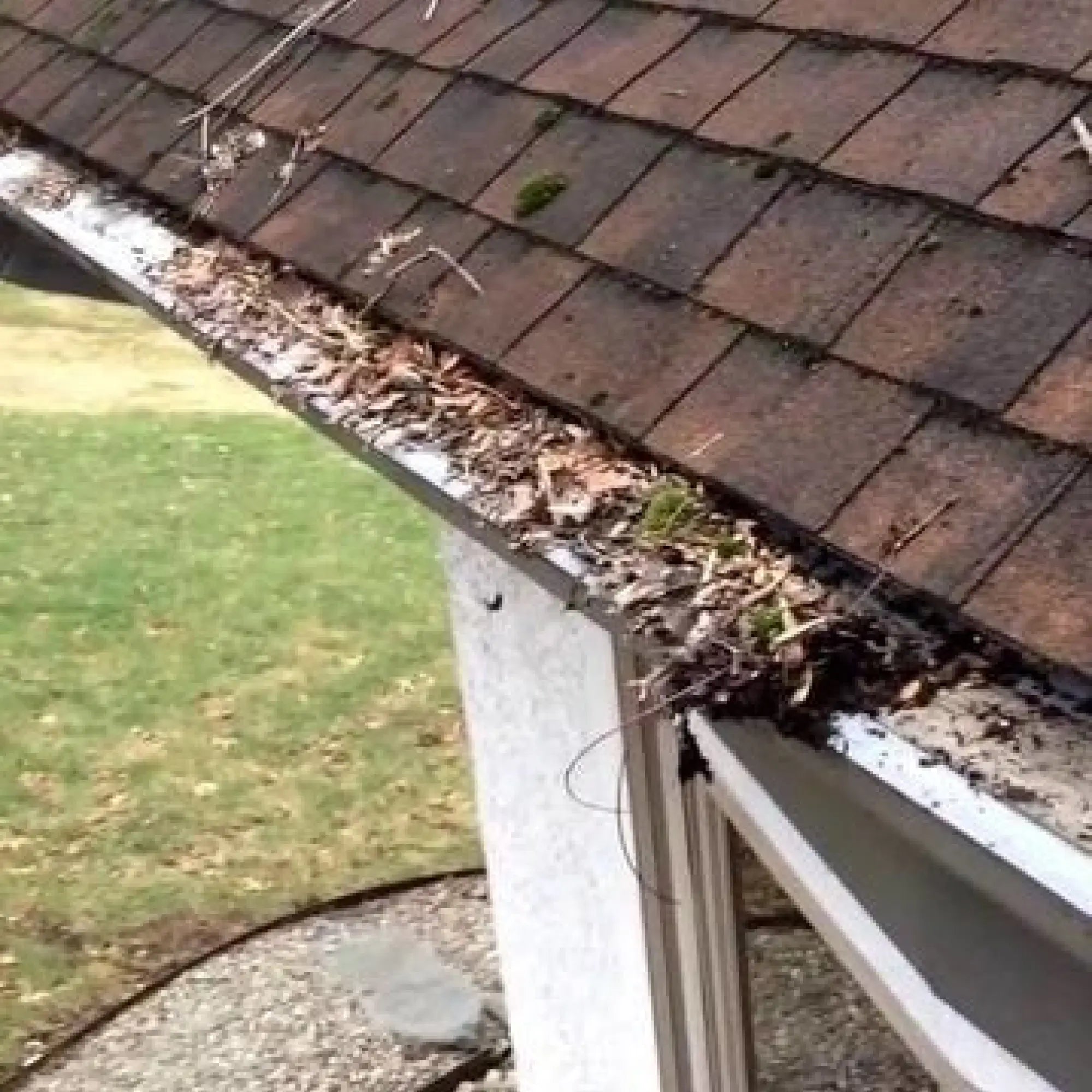
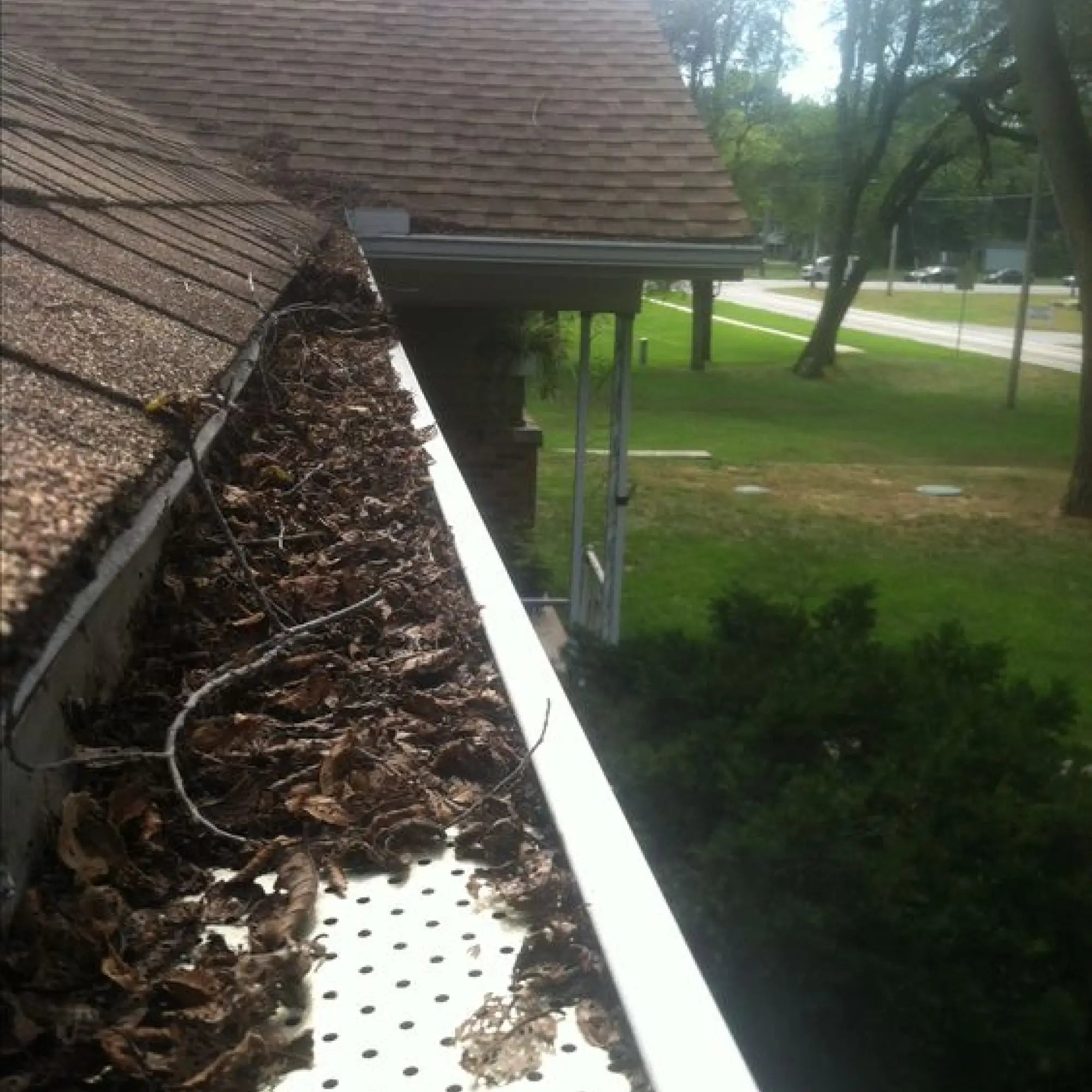
Common Gutter Protection Failures

Gutter Guard vs. GutterBrush FAQs
What is the key difference between Gutter Guards and GutterBrush?
Traditional gutter guards cover the top of the gutter with mesh or solid covers to block debris, which can restrict water flow. GutterBrush sits inside the gutter, preventing clogs by catching debris in its bristles while allowing water to flow freely. This design eliminates the overflow issues often seen with traditional guards during heavy rain.
Which is easier to install: Gutter Guard or GutterBrush?
GutterBrush offers a simple DIY installation that requires no tools or professional help—just slide the sections into your gutters. In contrast, gutter guards often involve screws, lifting shingles, or custom fitting, making professional installation more common and costly.
How much does gutter guard cost?
Gutter guards can cost between $7 and $20 per linear foot, plus labor fees for installation. GutterBrush is more affordable, typically ranging from $3 to $5 per foot, with no additional labor costs since it can be easily installed by homeowners.
Which system requires less maintenance: Gutter Guard or GutterBrush?
GutterBrush requires minimal maintenance—a quick visual inspection during rain ensures water flow. Debris that rests on the bristles often blows away naturally. Traditional gutter guards, especially mesh types, may trap dirt and require frequent cleaning to prevent blockages.
Is GutterBrush effective during heavy rain and winter?
Yes, GutterBrush performs well in all weather conditions. Its open-bristle design ensures smooth water flow during heavy rain, avoiding overflow. It also prevents ice dams by maintaining water movement in winter, while many traditional guards struggle with water backup and freezing issues.